Monuments that endured millennia
Engineering genius, human ambition, and ancient Egyptian beliefs created structures that still stand after 4,500 years.
Table of Contents
Origins and the Fourth Dynasty

Built during Egypt's Fourth Dynasty (around 2580–2560 BC), the pyramids were commissioned by Pharaohs Khufu, Khafre, and Menkaure as grand tombs for the afterlife.
These monumental structures reflected the pharaohs' divine power and ancient Egyptian beliefs about death, resurrection, and eternal life in the realm of the gods.
Design and engineering marvels
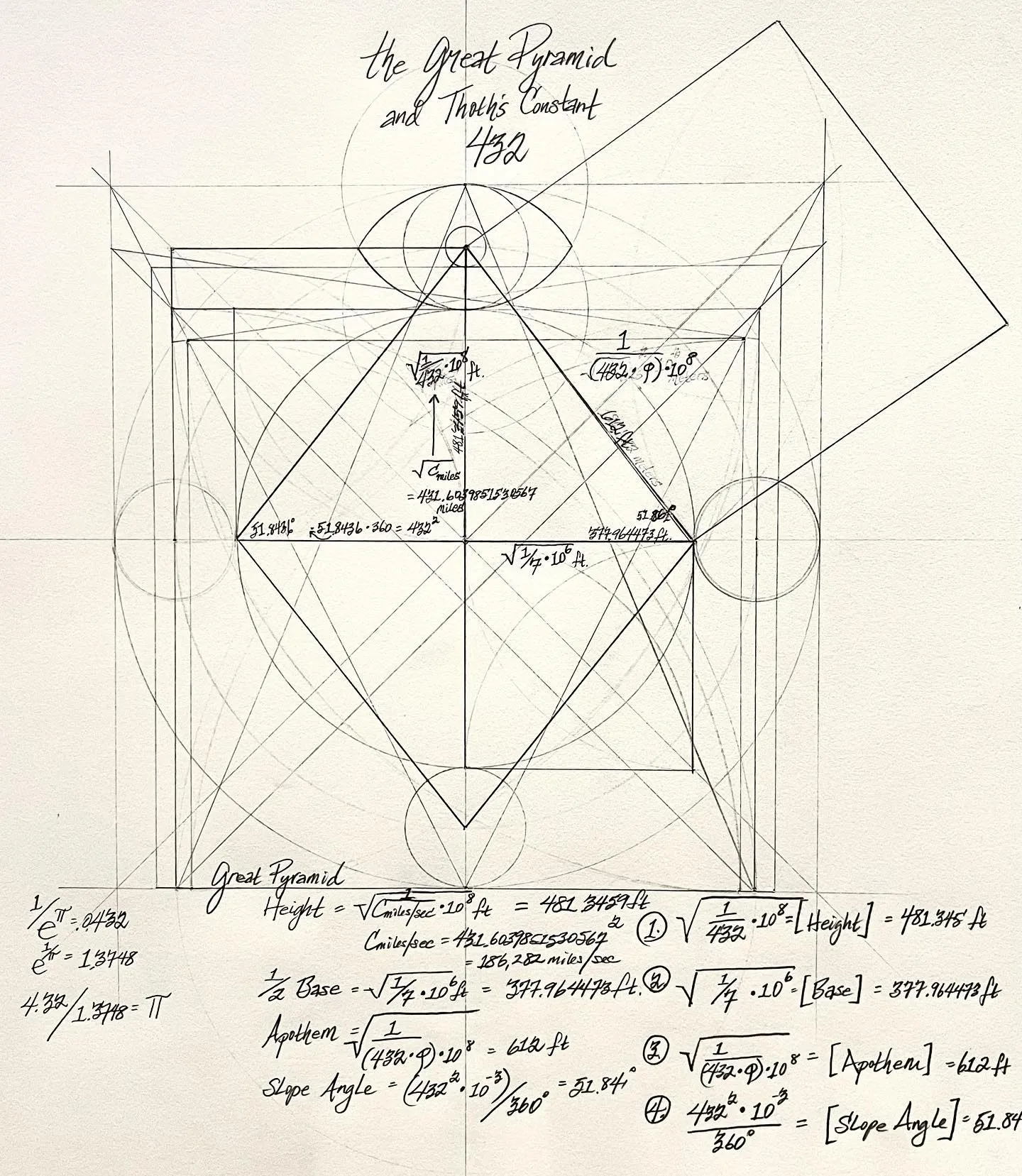
The Great Pyramid of Khufu was originally 146.6 meters tall, built with an estimated 2.3 million stone blocks. Its precise alignment with cardinal directions showcases advanced astronomical knowledge.
Modern research continues to reveal construction techniques—ramps, levers, counterweights—while the exact methods remain one of history's greatest mysteries.
Construction methods and workforce
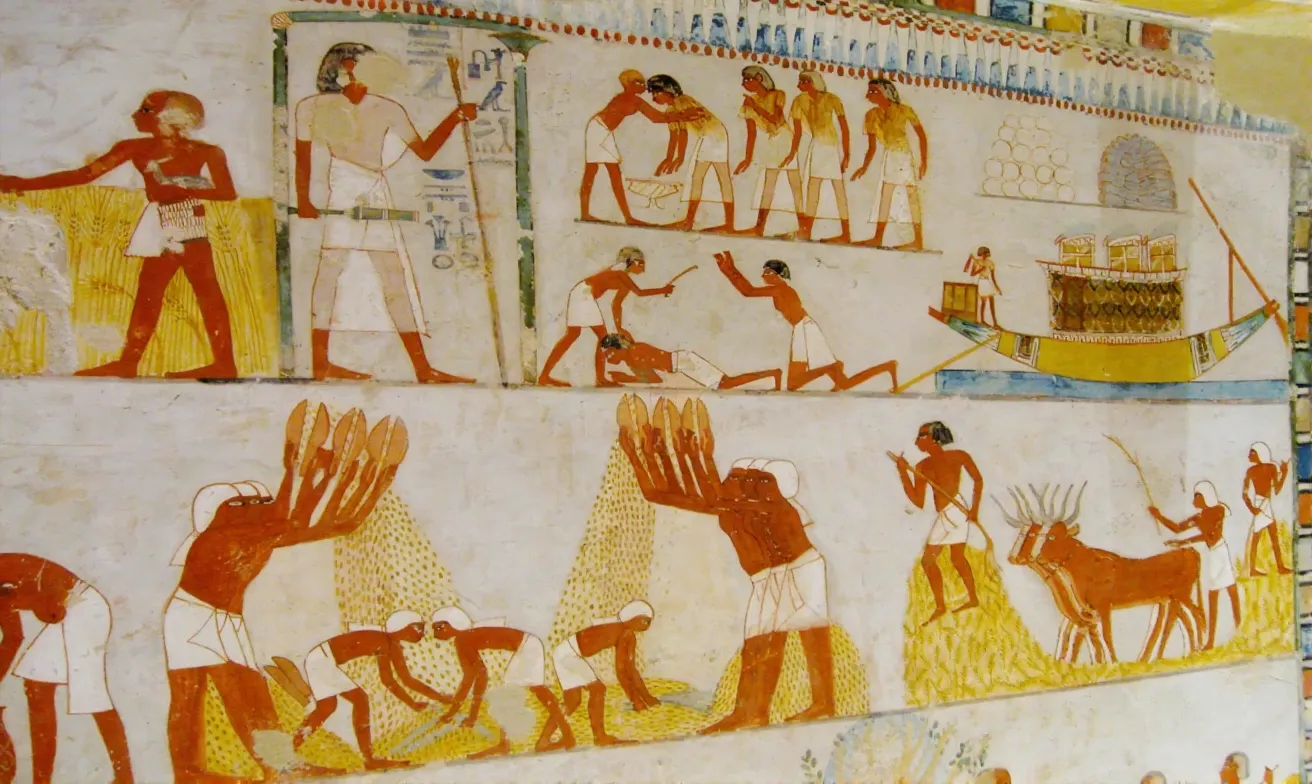
Recent excavations show that skilled workers—not slaves—built the pyramids, living in nearby workers' villages with food, shelter, and medical care provided.
The construction likely took 20–30 years per pyramid, using copper tools, wooden sledges, and sophisticated engineering to move and position massive stone blocks.
Recognition and global significance
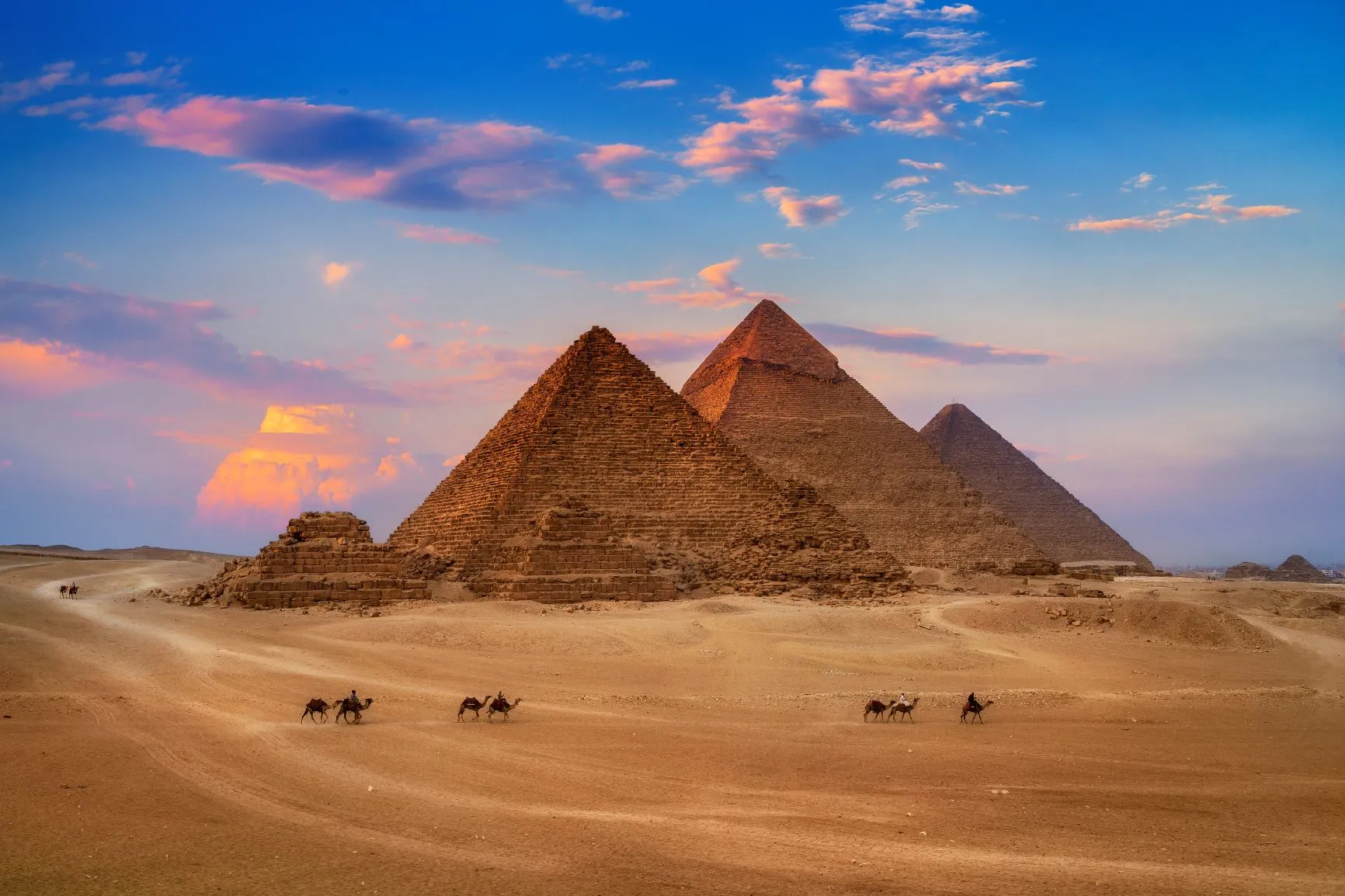
The Giza Pyramids are a UNESCO World Heritage Site and the last surviving wonder of the ancient world—they've inspired awe for over 4,500 years.
These monuments symbolize ancient Egypt's achievements and continue to be a source of national pride and a major draw for millions of visitors annually.
Visitor routes and exploration
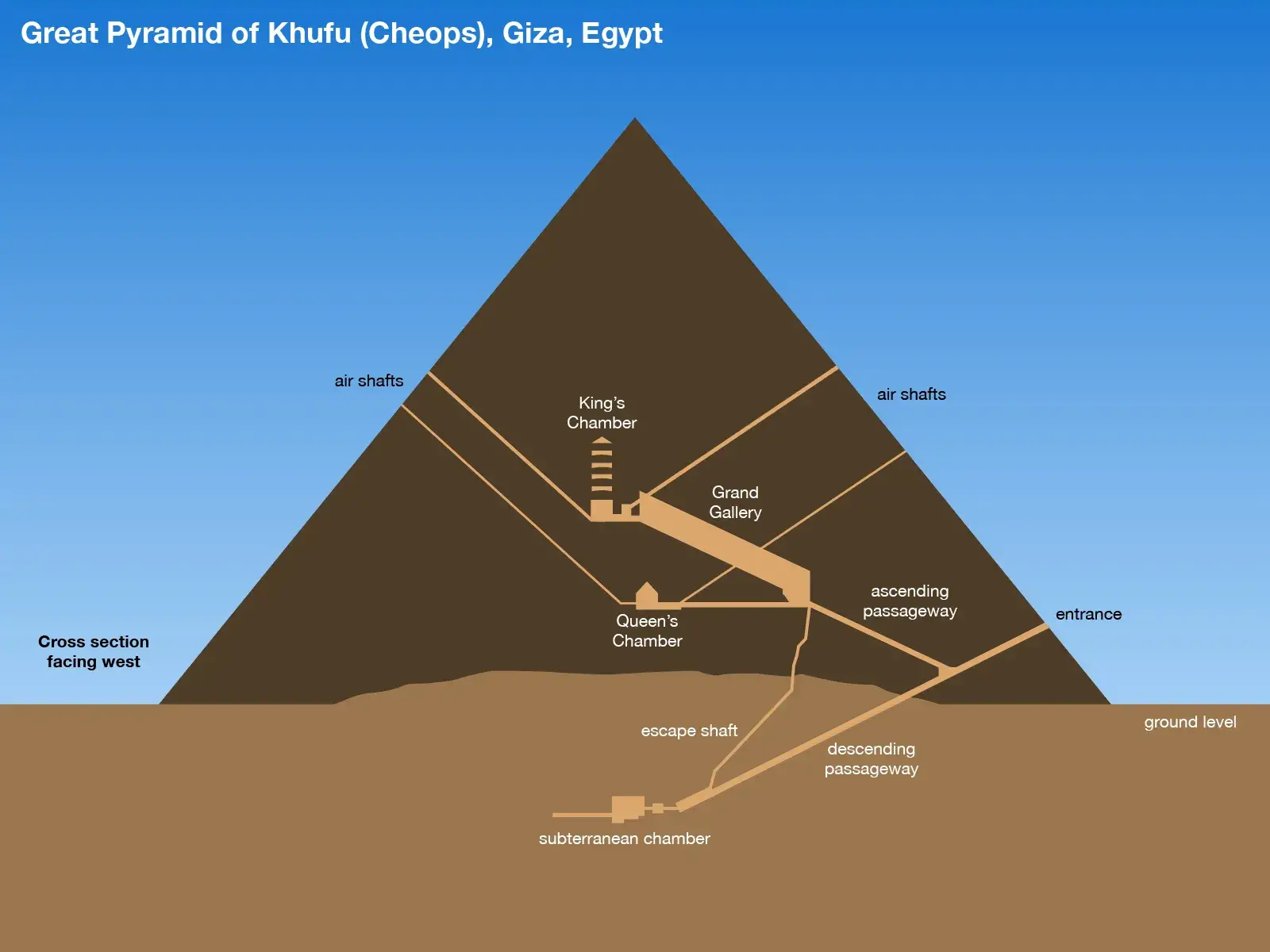
Visitors can walk around the pyramids, enter select interiors (with separate tickets), visit the Sphinx, and explore the temples and causeways.
Plan for extensive walking on sand and uneven ground—comfortable shoes are essential. Camel and horse rides offer alternative ways to experience the site.
Conservation, safety and preservation
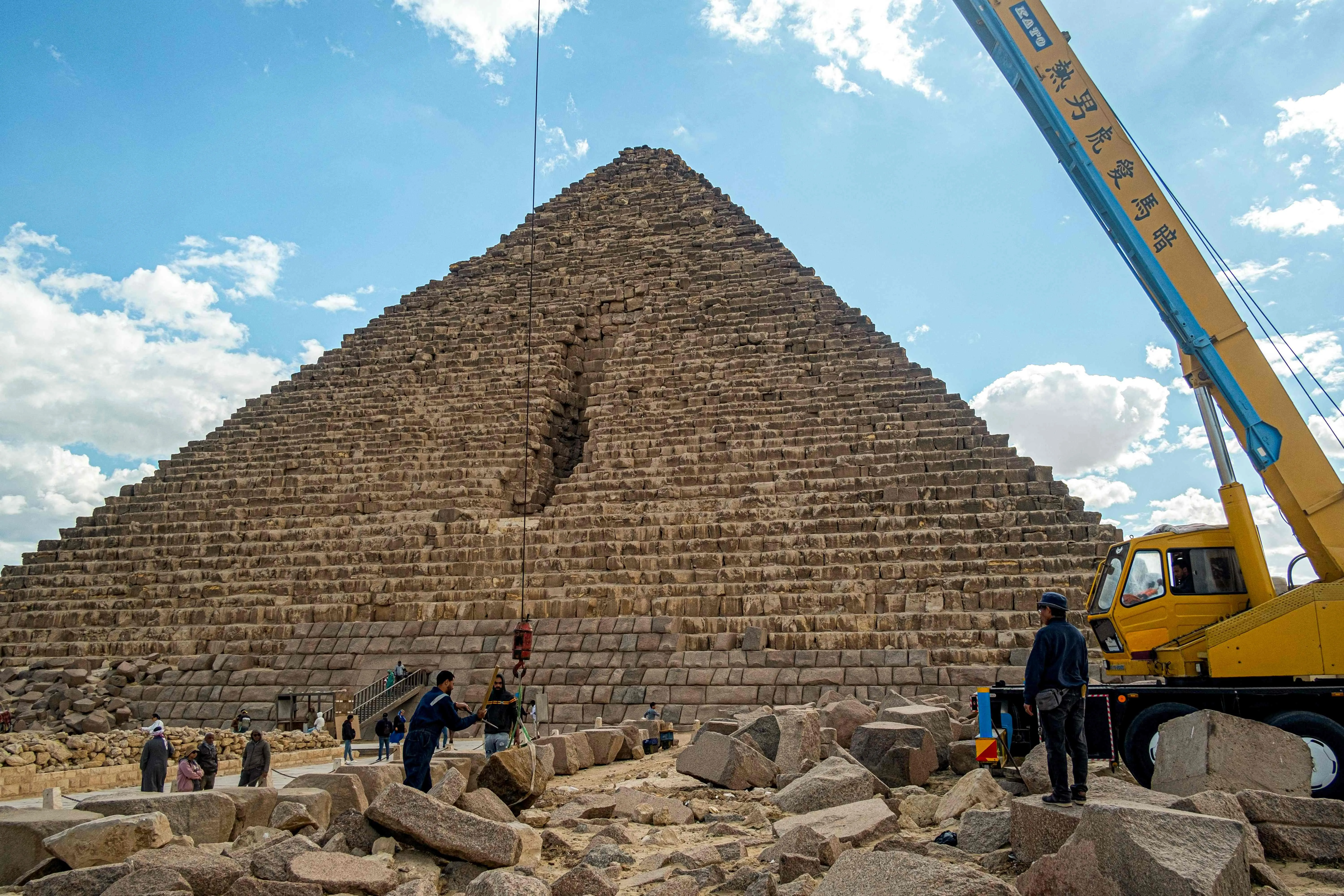
Ongoing conservation efforts protect the pyramids from erosion, pollution, and the impact of millions of annual visitors—specialized teams monitor structural stability.
Some interior chambers have restricted access to preserve delicate surfaces; safety measures ensure visitors can explore without damaging these ancient treasures.
Accessibility and visitor facilities
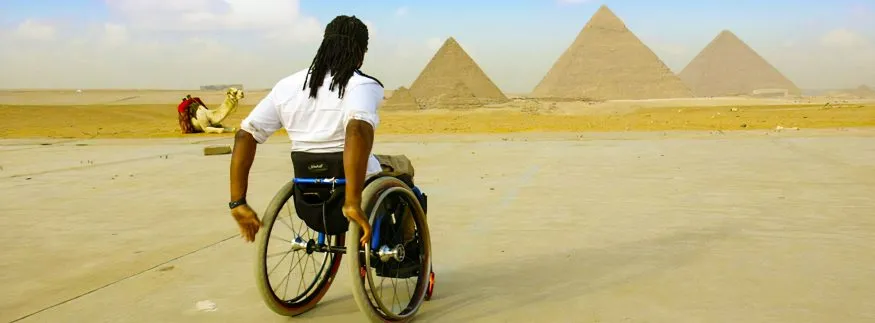
Main pathways are accessible for wheelchairs, though sand and uneven terrain can be challenging. Accessible vehicles and assistance are available at the entrance.
Pyramid interiors have steep, narrow passages—not suitable for those with mobility issues. The exterior views and Sphinx remain accessible to all visitors.
Sustainability and desert environment

Managing tourism in a fragile desert environment requires balancing visitor access with conservation—waste management and controlled access help protect the site.
Most visitors arrive via organized transport or taxis, reducing individual vehicle impact. Sustainable tourism practices are increasingly part of site management.
Stewardship, research and archaeology
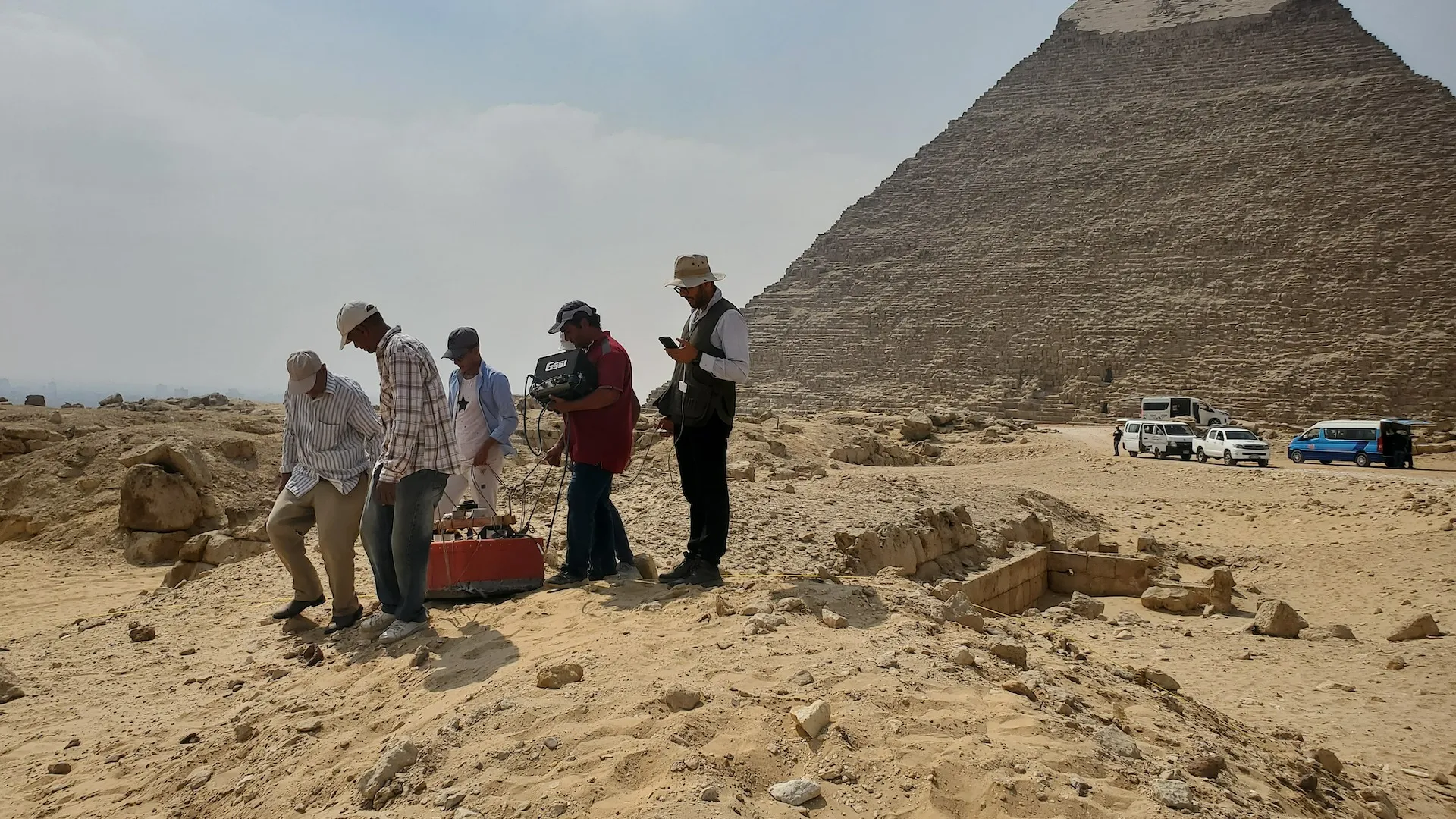
International partnerships, Egyptian authorities, and archaeological teams work together to study, preserve, and interpret the site for future generations.
Ongoing excavations and research continue to reveal new insights about construction techniques, daily life, and ancient Egyptian civilization.
Planning a historically informed visit

Choose your time wisely: early morning (7–8 AM) for coolness and fewer crowds, or late afternoon for softer light and golden-hour photos.
Check for conservation work or special closures before you go—some pyramid interiors rotate access to preserve the chambers.
Cairo and Egyptian culture
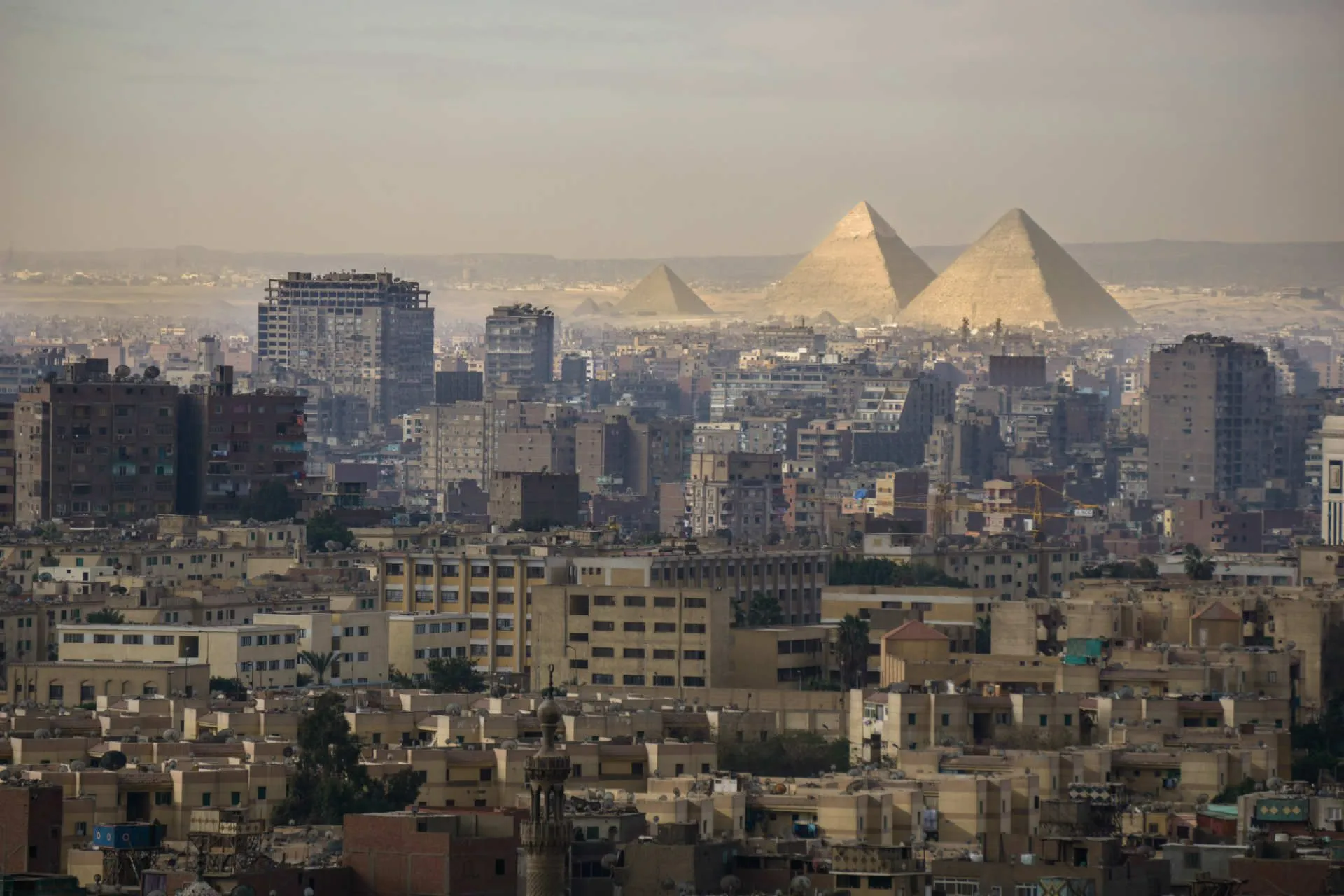
The pyramids sit on the edge of modern Cairo—combine your visit with exploring the Egyptian Museum, Khan el-Khalili bazaar, and Coptic Cairo for a complete experience.
Cairo's energy, food, and history make it one of the world's most fascinating cities—the pyramids are just the beginning of your Egyptian adventure.
Nearby sites and connections
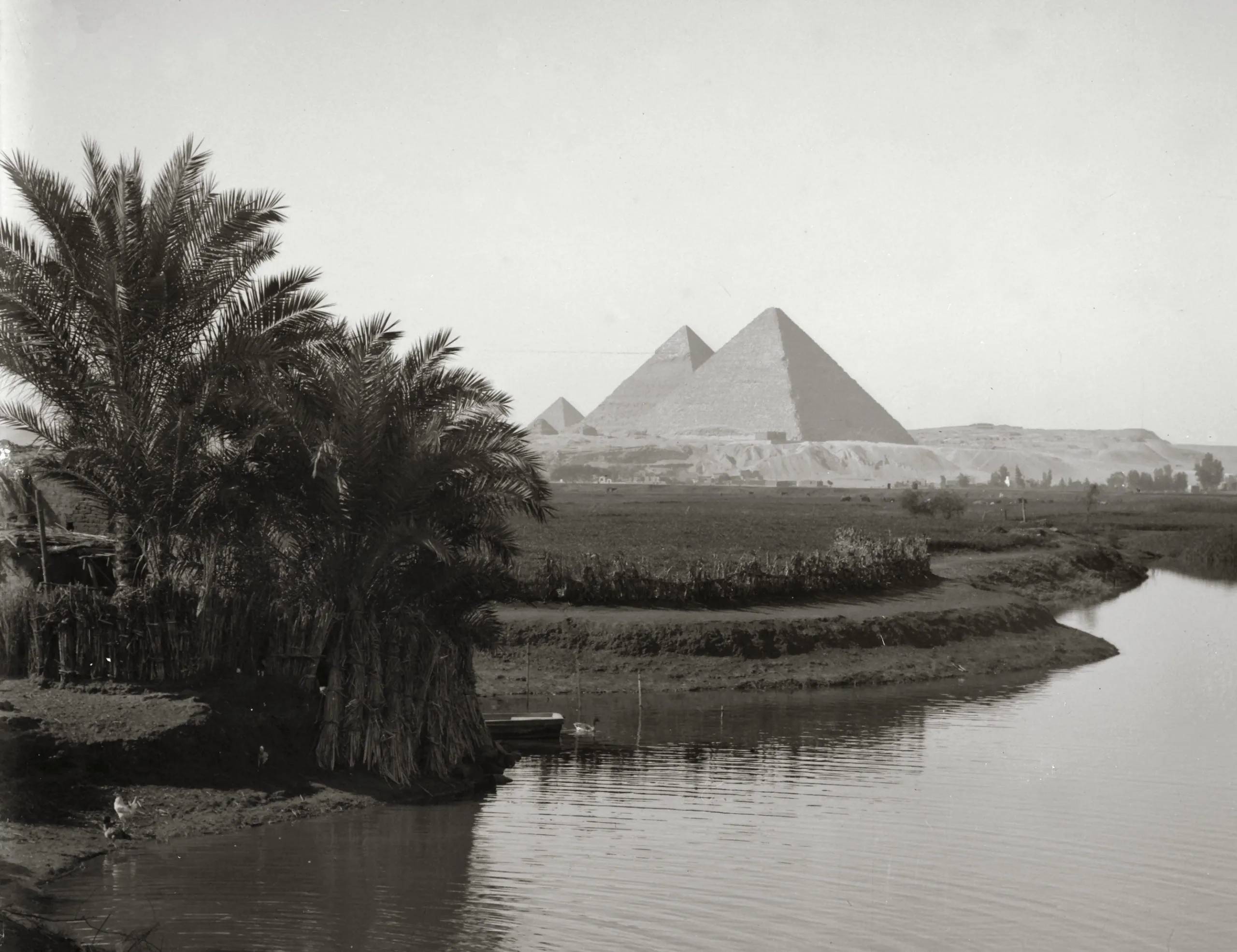
Nearby ancient sites include Saqqara (Step Pyramid), Memphis (ancient capital), and Dahshur (Bent Pyramid)—many tours combine multiple locations in one day.
The Egyptian Museum in Tahrir Square houses treasures from the pyramids, including artifacts from Tutankhamun and the pharaohs buried at Giza.
An eternal world wonder

The Giza Pyramids represent humanity's greatest architectural achievement from the ancient world—structures built to last forever and succeeding beyond imagination.
Whether it's your first visit or your tenth, standing before these monuments connects you to 4,500 years of human history, ambition, and wonder.
Table of Contents
Origins and the Fourth Dynasty
Built during Egypt's Fourth Dynasty (around 2580–2560 BC), the pyramids were commissioned by Pharaohs Khufu, Khafre, and Menkaure as grand tombs for the afterlife.
These monumental structures reflected the pharaohs' divine power and ancient Egyptian beliefs about death, resurrection, and eternal life in the realm of the gods.
Design and engineering marvels
The Great Pyramid of Khufu was originally 146.6 meters tall, built with an estimated 2.3 million stone blocks. Its precise alignment with cardinal directions showcases advanced astronomical knowledge.
Modern research continues to reveal construction techniques—ramps, levers, counterweights—while the exact methods remain one of history's greatest mysteries.
Construction methods and workforce
Recent excavations show that skilled workers—not slaves—built the pyramids, living in nearby workers' villages with food, shelter, and medical care provided.
The construction likely took 20–30 years per pyramid, using copper tools, wooden sledges, and sophisticated engineering to move and position massive stone blocks.
Recognition and global significance
The Giza Pyramids are a UNESCO World Heritage Site and the last surviving wonder of the ancient world—they've inspired awe for over 4,500 years.
These monuments symbolize ancient Egypt's achievements and continue to be a source of national pride and a major draw for millions of visitors annually.
Visitor routes and exploration
Visitors can walk around the pyramids, enter select interiors (with separate tickets), visit the Sphinx, and explore the temples and causeways.
Plan for extensive walking on sand and uneven ground—comfortable shoes are essential. Camel and horse rides offer alternative ways to experience the site.
Conservation, safety and preservation
Ongoing conservation efforts protect the pyramids from erosion, pollution, and the impact of millions of annual visitors—specialized teams monitor structural stability.
Some interior chambers have restricted access to preserve delicate surfaces; safety measures ensure visitors can explore without damaging these ancient treasures.
Accessibility and visitor facilities
Main pathways are accessible for wheelchairs, though sand and uneven terrain can be challenging. Accessible vehicles and assistance are available at the entrance.
Pyramid interiors have steep, narrow passages—not suitable for those with mobility issues. The exterior views and Sphinx remain accessible to all visitors.
Sustainability and desert environment
Managing tourism in a fragile desert environment requires balancing visitor access with conservation—waste management and controlled access help protect the site.
Most visitors arrive via organized transport or taxis, reducing individual vehicle impact. Sustainable tourism practices are increasingly part of site management.
Stewardship, research and archaeology
International partnerships, Egyptian authorities, and archaeological teams work together to study, preserve, and interpret the site for future generations.
Ongoing excavations and research continue to reveal new insights about construction techniques, daily life, and ancient Egyptian civilization.
Planning a historically informed visit
Choose your time wisely: early morning (7–8 AM) for coolness and fewer crowds, or late afternoon for softer light and golden-hour photos.
Check for conservation work or special closures before you go—some pyramid interiors rotate access to preserve the chambers.
Cairo and Egyptian culture
The pyramids sit on the edge of modern Cairo—combine your visit with exploring the Egyptian Museum, Khan el-Khalili bazaar, and Coptic Cairo for a complete experience.
Cairo's energy, food, and history make it one of the world's most fascinating cities—the pyramids are just the beginning of your Egyptian adventure.
Nearby sites and connections
Nearby ancient sites include Saqqara (Step Pyramid), Memphis (ancient capital), and Dahshur (Bent Pyramid)—many tours combine multiple locations in one day.
The Egyptian Museum in Tahrir Square houses treasures from the pyramids, including artifacts from Tutankhamun and the pharaohs buried at Giza.
An eternal world wonder
The Giza Pyramids represent humanity's greatest architectural achievement from the ancient world—structures built to last forever and succeeding beyond imagination.
Whether it's your first visit or your tenth, standing before these monuments connects you to 4,500 years of human history, ambition, and wonder.